

Mediation is a familiar part of divorce in Florida. Many couples go through it at some point, whether they choose it from the start or reach it once a case is underway. Starting with mediation, rather than arriving at it later, can save a great deal of time and cost.
This is a general walk-through of how a mediated divorce tends to unfold in Florida. Every case is different, and your mediator can tell you how it is likely to apply to yours.
1. The first consultation
It usually begins with a consultation to understand your situation, answer questions and confirm mediation is a good fit, including screening for any safety concerns. The guide to your first session covers what that meeting tends to look like.
2. Financial disclosure
Florida divorces generally involve financial disclosure from both spouses. In mediation, that information is gathered and shared so both of you are working from the same picture of income, assets and debts. Doing this openly is what makes the sessions productive.
3. Working through the issues
Sessions address the decisions that need to be made, which often include:
- Dividing property and debts, which Florida generally approaches through equitable distribution.
- The parenting plan and time-sharing schedule.
- Child support and, where it applies, alimony.
- Practical details like vehicles, accounts and the family home.
For parents, the guide to Florida parenting plans and time-sharing covers that side in more depth.
4. The written agreement
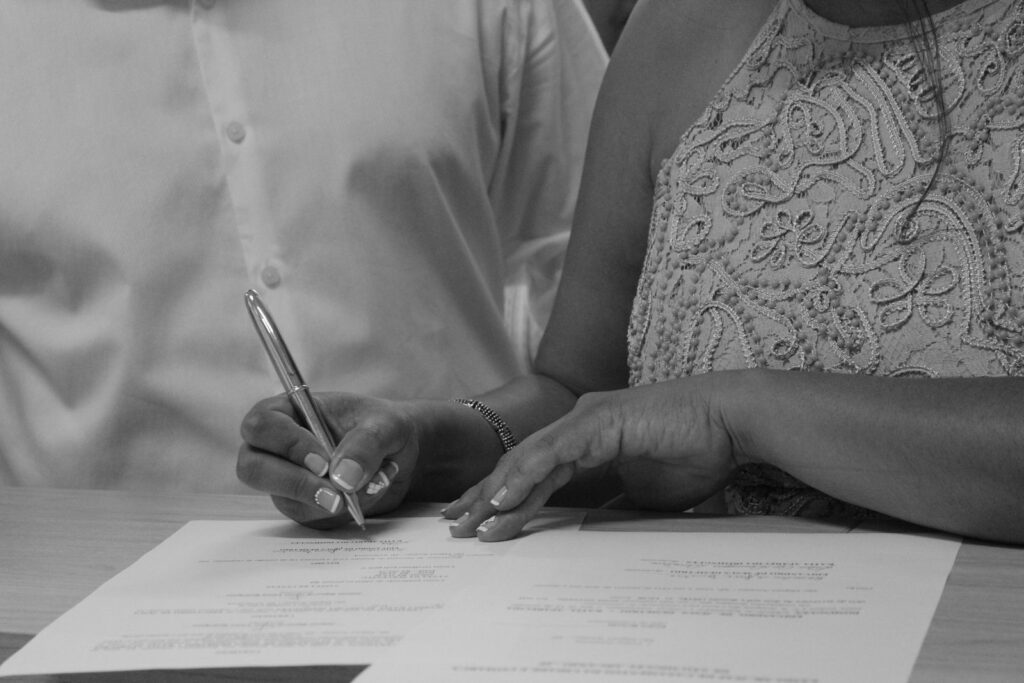
When you reach agreement, it is put in writing, usually as a marital settlement agreement and, for parents, a parenting plan. Many people have their own attorney review the documents before signing.
5. Finalizing the divorce
An agreed divorce in Florida generally still needs to be finalized through the court, where the agreement becomes part of the final judgment. Procedural requirements can change, so your mediator can tell you what currently applies to your case.
When mediation may not be the right fit
Mediation depends on honest disclosure and both spouses being able to participate freely. Domestic violence, coercion or hidden assets may make a different process more appropriate. Raise any of these early.
Where to start
Resolvium works with couples across Florida, including Orlando and the Space Coast. Resolvium: (888) 537-1881, or book a consultation online.
Frequently asked questions
Is mediation required in a Florida divorce?
Many Florida divorces involve mediation at some stage, particularly when issues are disputed. Whether it applies in your case can depend on the court and circumstances. Your mediator can explain what to expect.
Can we mediate before filing?
Yes. Many couples mediate first and file once they have an agreement, which can make the court process simpler.
What is a marital settlement agreement?
It is the written agreement covering property, debts and support. For parents, a parenting plan usually goes with it.
Do we both need attorneys?
Not necessarily. Some couples mediate without separate attorneys, while others each have one review the agreement before signing.
Can mediation happen online?
Often, yes. Online sessions can make scheduling easier and reduce the strain of meeting in person.
What if we only agree on some issues?
Partial agreement is still valuable. It can leave far less to resolve another way.
Key takeaways
- Mediation is a common part of divorce in Florida.
- Financial disclosure from both spouses is the foundation of the process.
- Property, the parenting plan and support are worked through together.
- Agreements are usually written as a marital settlement agreement and, for parents, a parenting plan.
- An agreed divorce still generally needs to be finalized through the court.


