

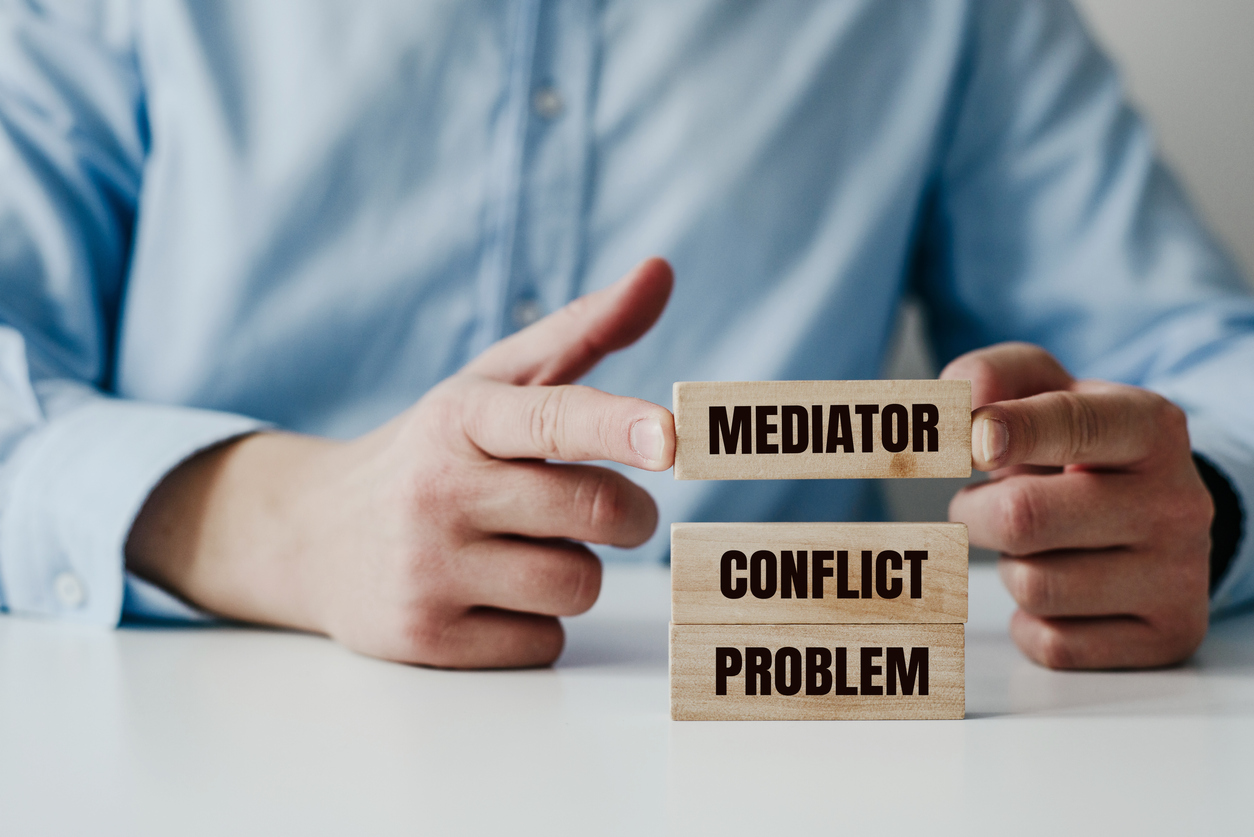
Divorce often brings intense emotions and disagreements that can lead to prolonged conflict between spouses. In Boerne, TX, many couples are turning to divorce mediation as a way to handle their separation with less hostility and more cooperation. One of the most significant benefits of working with a divorce mediator is the focus on conflict reduction.
Unlike traditional court battles where conflict can escalate and become adversarial, mediation encourages open communication, mutual respect, and collaborative problem-solving. This blog will explore how divorce mediators help minimize conflict, making the process less stressful and more productive for families in Boerne.
What Is Conflict Reduction in Divorce Mediation?
Conflict reduction refers to the strategies and techniques used during mediation to lower tensions, avoid unnecessary arguments, and promote understanding between spouses. The goal is to shift the relationship from confrontation toward collaboration, allowing couples to focus on resolving issues constructively rather than fueling disputes.
Why Conflict Reduction Matters in Divorce
High-conflict divorces often lead to longer proceedings, emotional distress, and more complex legal battles. These issues can affect not only the divorcing couple but also their children and extended family.
Benefits of conflict reduction through mediation include:
- Preserving respectful communication
- Facilitating quicker agreements
- Protecting children from parental disputes
- Reducing emotional exhaustion
- Encouraging long-term cooperation in co-parenting
For those interested in co-parenting solutions, you can also read our article on How Divorce Mediators Improve Co-Parenting in Boerne, TX.
How Divorce Mediators Promote Conflict Reduction
Divorce mediators are trained professionals skilled in conflict management and communication techniques. Their role is not to take sides but to guide the discussion in a calm and constructive manner.
Key ways mediators promote conflict reduction include:
- Creating a Safe Environment
Mediators establish ground rules that encourage respectful dialogue and prevent interruptions or hostile behavior. - Encouraging Active Listening
Each party is given space to express their thoughts while the other listens without judgment, helping build empathy and understanding. - Reframing Negative Statements
Mediators help rephrase accusatory or inflammatory comments into neutral language focused on issues rather than personal attacks. - Focusing on Interests, Not Positions
Instead of fixating on fixed demands, mediators help couples identify their underlying needs and priorities, opening the door for creative solutions. - Managing Emotions
Mediators recognize when emotions escalate and use calming techniques to refocus conversations on problem-solving.
Conflict Reduction Techniques Used in Mediation
Here is a breakdown of specific conflict reduction methods frequently employed:
| Technique | Description |
| Ground Rules | Clear expectations for respectful communication |
| Time-Outs | Pausing discussions to prevent escalation |
| Neutral Language | Avoiding blame and focusing on facts |
| Private Sessions (Caucuses) | Individual meetings to address sensitive topics privately |
| Collaborative Brainstorming | Jointly generating multiple options without judgment |
The Benefits of Conflict Reduction Beyond Mediation
Couples who successfully minimize conflict during mediation often experience smoother post-divorce relationships. Reduced hostility helps them:
- Co-parent more effectively
- Communicate civilly on important decisions
- Avoid costly and time-consuming court battles
- Foster emotional healing and closure
Frequently Asked Questions About Conflict Reduction in Divorce Mediation
How quickly can mediation reduce conflict?
The timeline varies by couple, but many experience a noticeable decrease in tension within the first few sessions due to structured communication techniques.
What if my spouse refuses to cooperate?
While mediation requires willingness from both parties, a mediator can still facilitate productive conversations by managing conflict and encouraging participation.
Can mediation handle very high-conflict cases?
Yes, mediators are trained to work with various conflict levels and can use private sessions to address sensitive issues.
Is mediation confidential?
Yes. What is discussed during mediation is typically confidential and cannot be used against either party in court, fostering open dialogue.
Are agreements made in mediation legally binding?
Once both parties agree and sign the settlement, it becomes legally binding, similar to a court order.
How Resolvium Supports Conflict Reduction in Boerne
At Resolvium, we understand that divorce is challenging. Our skilled mediators are dedicated to helping couples in Boerne reduce conflict through compassionate guidance and effective communication strategies. We focus on creating a supportive environment where both parties feel heard and respected.
To learn more about our approach, visit Resolvium’s Divorce Mediation Services in Boerne and start your journey toward a more peaceful resolution.
Call us today at (210) 757-0010 or visit our website to schedule your consultation and explore solutions that save time, stress, and money.
We’re here to support you. Follow Resolvium on social media for updates, helpful resources, and guidance on mediation:
Reach out anytime – we’re just a message away!