

For parents, the custody conversation is usually the one that matters most and the one that feels hardest to start. Texas also uses its own vocabulary for it, which can make the first conversation more confusing than it needs to be.
This guide explains the terms you are likely to hear, how a parenting plan tends to come together in mediation, and where the decisions are yours to make. It is general information. Your mediator can walk through how it applies to your family.
The words Texas uses for custody
Texas generally talks about conservatorship rather than custody. Conservatorship usually refers to the rights and duties of parents to make decisions for a child, such as education, medical care and where the child lives. Parents are often named joint managing conservators, which tends to mean decisions are shared, though the details can be set out differently in each plan.
The schedule for when a child is with each parent is usually described as possession and access. Texas has a standard schedule that is commonly used as a starting point, and many families adjust it, or replace it, to fit school, work and the distance between homes.
Knowing these terms helps, but the point of mediation is that you do not have to fit your family into a template. The labels describe the structure. What goes inside it is largely up to the two of you.
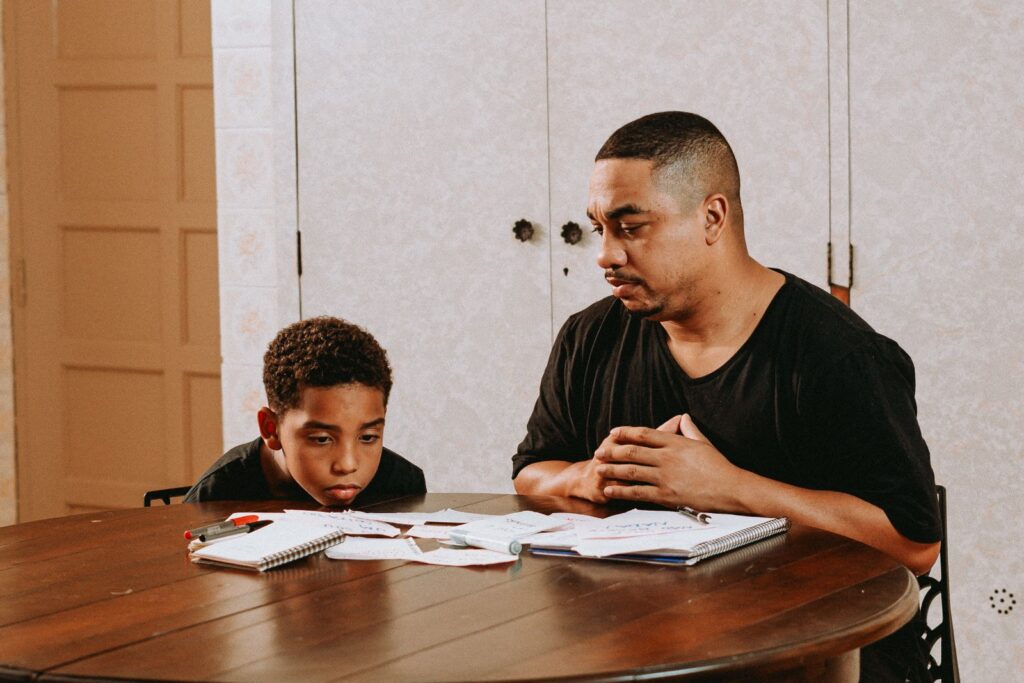
What a parenting plan usually covers
A parenting plan in mediation tends to cover more than the calendar. Most plans address:
- Who makes which decisions, and how you will handle disagreement.
- The regular weekly or monthly schedule.
- Holidays, birthdays, school breaks and summer.
- Exchanges: where, when and who handles transportation.
- How you will communicate with each other about the children.
- How the plan can be revisited as children get older.
The more specific the plan is on the things that tend to cause friction, the less often you need to come back to it. The guide to parenting plans in mediation goes into each of these in more depth.
Why parents often prefer to decide this in mediation
When custody is decided by a court, a judge who does not know your children makes decisions based on the time and evidence available. In mediation, the two people who know them best make those decisions, with a neutral mediator helping keep the conversation focused on the children.
That tends to produce schedules that fit real routines, and agreements both parents are more likely to follow. It also keeps a great deal of private family detail out of a public courtroom.
How custody connects to child support
In Texas, as in many states, child support and the possession schedule are related, so it usually helps to settle them in the same process. The guide to child support in mediation explains how the support side tends to work, and your mediator can explain how your schedule may affect it.
When mediation may not be the right fit
Mediation depends on both parents being able to participate safely and freely. Where there is family violence, child safety concerns, or a pattern of control, a different process may be more appropriate. If any of that applies, raise it at the start so the right route can be chosen.
Where to start
Resolvium helps parents across Texas, including Garland, Dallas, Fort Worth and San Antonio. Resolvium: (888) 537-1881, or book a consultation online.
Parenting plans and child support are often worked out together. Our page on alimony, custody and child support mediation covers how those conversations usually go.
Frequently asked questions
What is a managing conservator in Texas?
It generally refers to a parent with the right to make certain decisions for a child. Parents are often named joint managing conservators, which usually means those decisions are shared. Your mediator can explain how the terms would read in your plan.
Do we have to use the standard possession schedule?
Not necessarily. It is a common starting point, and many families adjust it or build their own schedule to fit school, work and distance.
Can our children have a say?
How much weight a child’s preference carries can vary. Many parents in mediation talk through their children’s wishes together and decide how to reflect them. Your mediator can explain the options.
What if one of us wants to move?
Relocation is one of the issues worth addressing directly in the plan. Agreeing in advance how a move would be handled can prevent a much harder dispute later.
Can the parenting plan be changed later?
Plans often can be modified when circumstances change. Building in a way to revisit the plan as children grow can reduce the need to return to court.
Do we decide custody before child support?
They are usually worked out together, because the schedule and support are related. Settling them in one process tends to produce a more stable result.
Key takeaways
- Texas usually uses the terms conservatorship and possession and access instead of custody.
- The standard schedule is a common starting point, not a requirement for every family.
- A good parenting plan covers decisions, holidays, exchanges and communication, not just the calendar.
- Custody and child support are related, so they are often best settled together.
- Raise any safety concerns at the start so the right process can be chosen.


